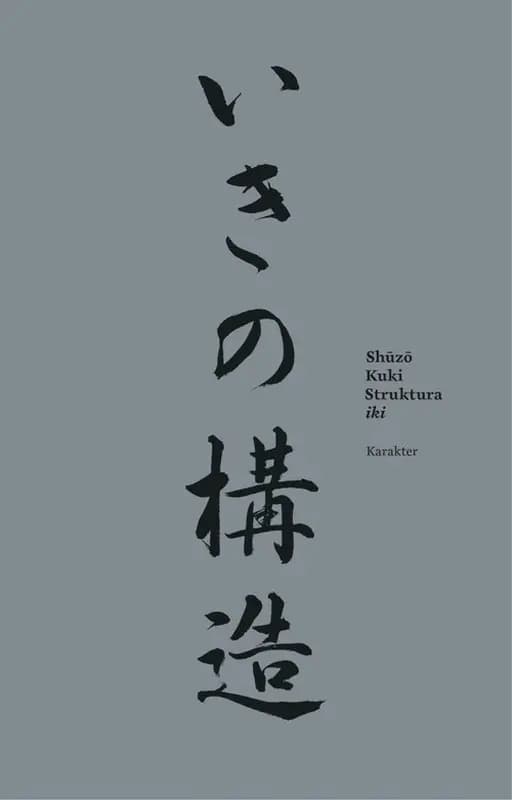
"Iki" No Kōzō: Hoka Nihen by Kuki Shūzō is a Japanese book written by Shūzō Kuki in 1930. The title of this work translates to "The Structure of 'Iki'", which forms the central theme of the discussion. "Iki" (íki) is a Japonesque aesthetic concept of refinement and sensitivity, which captivates both Eastern and Western thinkers for over half a century as explained by the author. This aesthetic ideal has different interpretations but it primarily relates to Japanese culture, literature, and art.
Kuki's analysis of this subject uses examples from traditional and contemporary European texts including works by Heidegger, Nietzsche, and Kant, which show how this idea translates into Western thought. Through his in-depth analysis, Shūzō focuses on the intricate aspects of "iki" such as its seductive nature, spiritual energy, and detachment from any physical form. He also delves into the different dimensions of aesthetic appreciation, including the feeling of "tatehako" (elegance), which Kuki argues is an essential part of Japanese culture. Therefore, this book is a comprehensive exploration of how the concept of "iki" can be considered an inherent aspect of the Japanese aesthetic experience. It discusses its origin, characteristics, and the ways that people experience it in various contexts such as literature, arts and life. This work is a groundbreaking study of how aesthetic categories function, as well as one that sheds light on the rich complexity of Japanese culture. Shūzō Kuki's insights into the aesthetic appreciation in Japan provide valuable knowledge to both Orientalists and Occidentalists interested in cultural differences. The author's meticulous analysis offers in-depth understanding of a unique, yet universal idea which transcends the boundaries between East and West and offers a different perspective on aesthetics, ethics, and cultural differences.